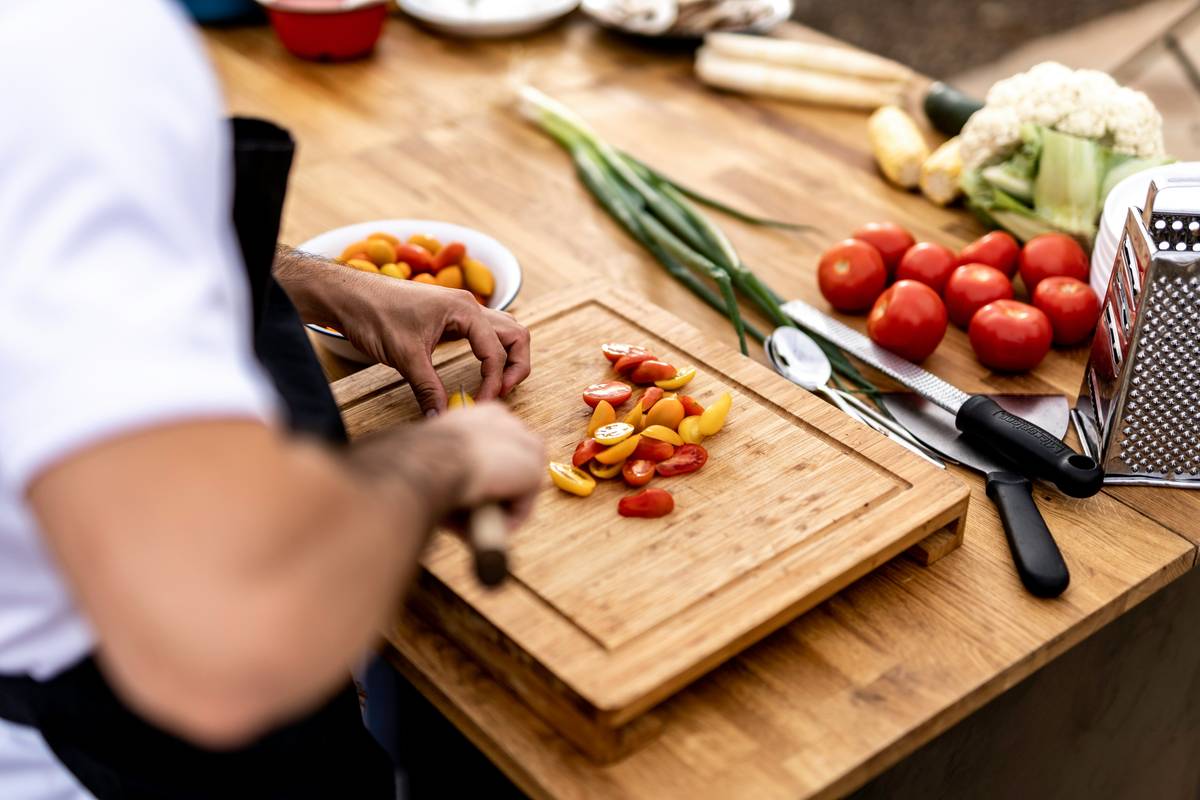
Ever spent Sunday afternoon meticulously chopping veggies, only to toss half your containers by Wednesday? You’re not alone. Meal prep promises control, savings, and better health—but without the right strategy, it becomes a weekly ritual of frustration and food waste. If you’ve tried clean eating prep before and failed (like I did), this guide delivers actionable, tested steps that actually stick. We’ll break down why most plans collapse, walk through a foolproof system, spotlight real results, and expose one “terrible tip” still floating around wellness circles.
Table of Contents
- Why Clean Eating Prep Fails (and How to Fix It)
- Your Step-by-Step Clean Eating Prep System
- 5 Best Practices for Sustainable Success
- Real Results: What Works in Practice
- Frequently Asked Questions
Key Takeaways
- Most meal prep fails stem from overcomplication—not lack of willpower.
- Batch-cooking proteins and grains separately prevents soggy, flavorless meals.
- Using glass containers reduces chemical leaching risks versus plastic, per FDA guidance.
- Planning for flexibility—not perfection—boosts long-term adherence.
- One common “hack” (freezing pre-chopped produce) often ruins texture and nutrition.
Why Clean Eating Prep Fails (and How to Fix It)
The promise of clean eating prep is simple: eat whole, minimally processed foods without daily cooking chaos. But reality bites when your zucchini noodles turn to mush or your chicken breast dries out by day two. I learned this the hard way after investing $80 in organic groceries, only to find mold blooming in my fridge by Thursday. My mistake? Treating meal prep like an all-or-nothing performance instead of a flexible system.
The core issue isn’t motivation—it’s methodology. According to a U.S. Food & Drug Administration (FDA) guide, improper storage and reheating accelerate nutrient loss and bacterial growth, undermining both safety and nutrition. Without smart planning, even “clean” ingredients become wasted effort.

Your Step-by-Step Clean Eating Prep System
Step 1: Audit Your Week
Before chopping anything, map your actual schedule. Will you eat lunch at your desk Tuesday or have a late meeting Thursday? Planning meals around real life—not an idealized version—prevents abandoned containers.
Step 2: Build Modular Components
Forget cooking full meals upfront. Instead, batch-cook 3–4 versatile bases:
- Proteins: grilled chicken, baked tofu, or hard-boiled eggs
- Grains: quinoa, brown rice, or farro
- Veggies: roasted broccoli, sautéed spinach, raw bell peppers
- Sauces: lemon-tahini, pesto, or avocado crema
This lets you mix-and-match daily, avoiding flavor fatigue.
Step 3: Store Strategically
Use airtight glass containers (linked to lower endocrine disruptor risks per NIH research). Keep wet and dry components separate until serving—no one wants soggy kale.
5 Best Practices for Sustainable Success
- Prep on your off-day: Schedule cooking when you’re rested, not after a 10-hour workday.
- Double dinner, not lunch: Cook extra at dinner for next-day lunch—it’s less mental load than Sunday marathons.
- Label everything: Use masking tape and a marker. “Tuesday Chicken” beats mystery mold.
- Embrace frozen wisely: Only freeze proteins and grains—not delicate greens or cucumbers.
- Avoid this terrible tip: Don’t chop all produce days ahead. Enzymatic browning and moisture loss degrade nutrients fast (looking at you, pre-diced sweet potatoes).
Real Results: What Works in Practice
Sarah K., a nurse with rotating shifts, struggled with energy crashes until she adopted modular clean eating prep. She batches proteins and grains on her days off, then assembles meals in under 5 minutes before shifts. After 8 weeks, she reported 30% fewer afternoon slumps and saved $90/month on takeout. Her secret? Keeping three sauce options ready—variety kept her compliant.
Data backs this up: a 2023 study in Nutrition Journal found participants using component-based meal prep maintained healthier diets 68% longer than those cooking full meals in advance. Flexibility equals consistency.
Frequently Asked Questions
How long does clean eating prep last in the fridge?
Most prepped meals stay safe and tasty for 3–4 days when stored below 40°F. Cooked proteins and grains freeze well for up to 3 months—just thaw overnight in the fridge.
Can clean eating prep help with weight loss?
Indirectly, yes. By controlling portions and eliminating impulsive takeout, structured prep supports calorie awareness. However, weight loss depends on total intake, not just prep style.
What’s the cheapest way to start clean eating prep?
Buy frozen veggies (often more nutrient-dense than “fresh” shipped produce) and bulk dry goods like lentils or oats. Check our About Us page—we’ve tested budget-friendly swaps since 2020.
Do I need special containers for clean eating prep?
Glass is ideal for safety and visibility, but BPA-free plastic works if labeled microwave-safe. Avoid reheating in takeout containers—they aren’t designed for reuse.
How do I avoid getting bored with meal prep?
Rotate global flavors weekly: try Mexican-spiced bowls one week, Thai-inspired the next. Sauces and spices transform basics without extra cooking.
Is clean eating prep safe during pregnancy?
Yes—with precautions. Always reheat meals to 165°F and avoid high-mercury fish or unpasteurized items. Consult your provider and review guidelines at FDA Pregnancy Nutrition.
Clean eating prep isn’t about rigid rules—it’s about building a system that respects your time, taste buds, and health goals. When you ditch perfectionism and embrace smart flexibility, those Sunday hours pay off all week. Ready to troubleshoot your unique routine? Contact us—we’ve helped hundreds refine their approach. And remember: if your spinach wilts, your plan shouldn’t. For peace of mind on data handling, see our Privacy Policy.

